
Most people associate dental damage with sugar. While sugary foods and drinks certainly contribute to tooth decay, another common issue is often overlooked: tooth wear from acidic drinks.
With the rise of soft drinks, energy drinks, sparkling water (including carbonated mineral water), flavoured or non-flavoured mineral water, 100 per cent juice, and sports drinks across Australia. Although some of these drinks seem to have higher nutrient value than regular soda, most also include acids that cause tooth enamel erosion over time. The worry is beyond cavities. Dental erosion is where your teeth are permanently worn down due to constant exposure to acidic drinks. Once enamel is gone, it does not grow back. Understanding how acidic drinks wear at teeth, spotting the warning signs and implementing a few easy changes to your daily routine can keep your smile intact and save you hefty dental bills down the line.
What Is Dental Erosion?
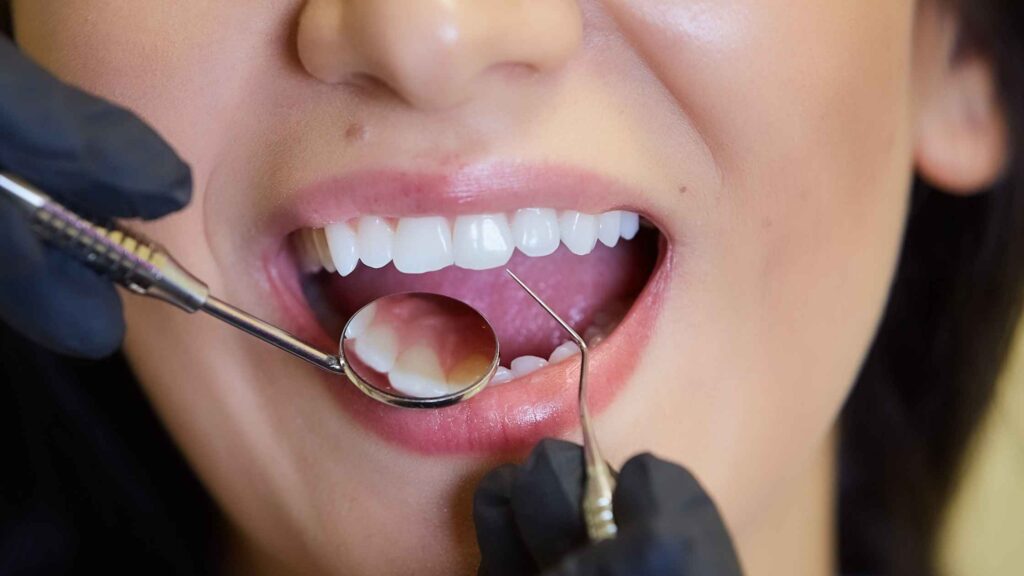
Dental erosion refers to the irreversible loss of tooth structure due to acids dissolving enamel minerals in an absence of bacteria. Erosion is different from tooth decay because, while decay occurs when bacteria feed on sugars and release acids that erode teeth over time, erosion happens by acid attacking the surface of the teeth directly. Our teeth are composed of enamel, the strongest material in our whole body, however, it is not indestructible. Constant exposure to acidic foods and drinks can slowly dissolve and erode enamel minerals from your teeth which leads to it wearing away, a condition called tooth enamel erosion.
Thinner enamel leads to exposed dentine which causes sensitivity, and also alters the appearance of our teeth.
How Erosion Differs from Tooth Decay
| Dental Erosion | Tooth Decay |
| Caused directly by acids | Caused by bacteria |
| Can occur without sugar | Usually linked to sugar consumption |
| Results in smooth tooth wear | Results in cavities or holes |
| Affects large tooth surfaces | Often starts in specific areas |
Why Tooth Wear from Acidic Drinks Happens
The outermost layer of your teeth is made up principally of hydroxyapatite, a mineral readily supplied with calcium and phosphate. When you consume acids, they diffuse from the drink into your mouth and interact with these times, effectively leaching them out of your teeth.
There are several factors that affect how much tooth wear from acidic drinks you can expect:
- Acidity level (pH)
- Total acid content
- Frequency of consumption
- Length of exposure
- Saliva production
- Drinking habits
Previous studies including one published in the Australian Dental Journal and other global studies has shown that enamel starts to demineralise when the pH falls below about 5.5.
Many popular beverages fall well below this threshold.
Beverage Acidity Comparison
| Beverage | Approximate pH |
| Water | 7.0 |
| Milk | 6.5–6.8 |
| Sparkling Water | 4.5–5.0 |
| Orange Juice | 3.3–4.0 |
| Sports Drinks | 2.9–3.5 |
| Soft Drinks | 2.4–3.5 |
| Energy Drinks | 2.5–3.3 |
Common Drinks That Contribute to Enamel Erosion
Some common drinks can erode enamel.
1. Soft Drinks
Phosphoric acid in cola, citric acid in lemonade and flavouring sodas; the acids drink can decrease the oral pH very quickly.
2. Energy Drinks
Energy drinks are one of the most acidic drinks on earth. They are sipped by many people for long periods of time, increasing the time that they are exposed to aluminum.
3. Sports Drinks
Sports drinks are commonly marketed as hydrating beverages but can be relatively high in acid.
4. Fruit Juices
Natural toothpaste is not necessarily the best for your teeth. Citric acid is found in citrus juices and may lead to tooth enamel erosion.
5. Fruit-Infused Water
Adding lemon, lime, grapefruit or orange slices can enhance flavor but greatly / definitely increase acidity.
Sparkling Water and Soda Water
Does Sparkling Water Damage Teeth?
As more Australians make the switch to carbonated water from sugary soft drinks, it is becoming an increasingly relevant question: does sparkling water damage teeth? It is in fact slightly acidic because even plain sparkling water contains carbonic acid. However, it seems to be much less erosive than sodas, sports drinks and fruit juices, studies show.
The greater concern comes from:
- Flavoured sparkling waters
- Citrus-infused sparkling drinks
- Sparkling beverages containing added acids
- Frequent daily consumption
How to Prevent Tooth Wear from Acidic Drinks
The upside is that by understanding tooth wear from acidic drinks it can be mostly preventable.
Reduce Acidic Beverage Intake
Acidic drinks should be reserved for those special occasions, not something that you drink on an everyday basis.
Drink With Meals
Food acts as a buffer to acids and stimulates saliva.
Use a Straw
Using a straw can help to limit contact between acidic drinks and teeth.
Avoid Constant Sipping
Consume drinks in one sitting instead of over hours.
Rinse With Water Afterwards
The water acts as a diluting agent in order to help flush out the remainder of the acids.
Wait Before Brushing
Acidic drinks can also temporarily soften enamel.
Dentists typically suggest to hold off on brushing for at least 30 minutes.
Why Early Dental Intervention Matters
The main action of one of the stronger stages of erosion with tooth enamel is that it cannot be reversed in a natural way. Fluoride treatments and preventative strategies can strengthen what is left of your enamel, but unfortunately lost enamel does not regenerate.
Early diagnosis allows dentists to:
- Before major damage occurs you can detect dental erosion
- Identify dietary risk factors
- Recommend preventive measures
- Monitor progression
- Preserve natural tooth structure
If the patients ask for help earlier they will mostly eliminate more challenging procedures in the future which are bonding, veneers, crowns or full mouth rehabilitation.
Protect Your Smile for the Future
Acidic drinks are a facet of everyday life, but they come strong with consequences for the mouth. Regular consumption of acidic beverages, these could be sodas, sports drinks, juices and even sparkling water can result in erosion on the teeth that may very well lead to permanent loss of the hard protective layer and adult restoration. By recognising the signs of tooth enamel erosion, opting for teeth-friendly beverages and regular dental check-ups, we can take great steps towards preventing serious long-term damage.
If you’re worried about dental erosion or sensitivity and changes to your teeth, Blue Water Dental will always be here to assess your oral health and offer recommendations that can help protect your smile. If you’re noticing sensitivity, thinning enamel, or other signs of tooth wear from acidic drinks, don’t wait for the damage to progress. Schedule an appointment through our contact us page and let our experienced team assess your oral health and provide personalised advice
FAQs
Tooth enamel does not grow back once it is gone and cannot be restored.
No. Your body is not able to naturally regrow tooth enamel after it has been eroded away due to factors such as tooth decay! Fluoride treatments, diet, and preventive dental care to strengthen remaining enamel and slow or stop additional erosion.
Sparkling Water And Its Impact On Teeth More Than Soft Drinks
No, simple soda water is normally much less erosive than soft drinks. On the other hand, sparkling waters with citric acid may be more erosive if they have flavourings in them. When it comes to sparkling water damaging teeth, frequency and ingredients of the beverage play a big role.
Do sugar-free drinks really harm enamel?
Not always. Even many sugar-free drinks contain acids, which can also lead to the erosion of enamel. They can lower the risk of developing cavities, but eating these foods on a regular basis can still wear down teeth.
Question of the best drink for enamel protection.
Plain water is still the safest option for teeth. It keeps the oral environment within a healthy range, enhancing saliva function and not contributing to dental erosion or acid-related enamel destruction.