
Sparkling water has become one of the most popular beverage choices in Australia and around the world. Many people are swapping sugary soft drinks for sparkling mineral water because it offers the refreshing fizz they enjoy without the added sugar and calories. But as its popularity continues to grow, many people are asking an important question: Is sparkling water bad for your teeth? The good news is that plain sparkling water is generally much safer for your teeth than soft drinks, energy drinks, and fruit juices. However, because it is slightly acidic, there are still some factors you should understand to protect your oral health.
In this guide, we’ll explore the relationship between sparkling water and teeth, examine whether sparkling water damages teeth, discuss the effects on sparkling water tooth enamel, and explain how to enjoy sparkling water while minimizing the risk of sparkling water dental erosion.
Understanding Sparkling Water
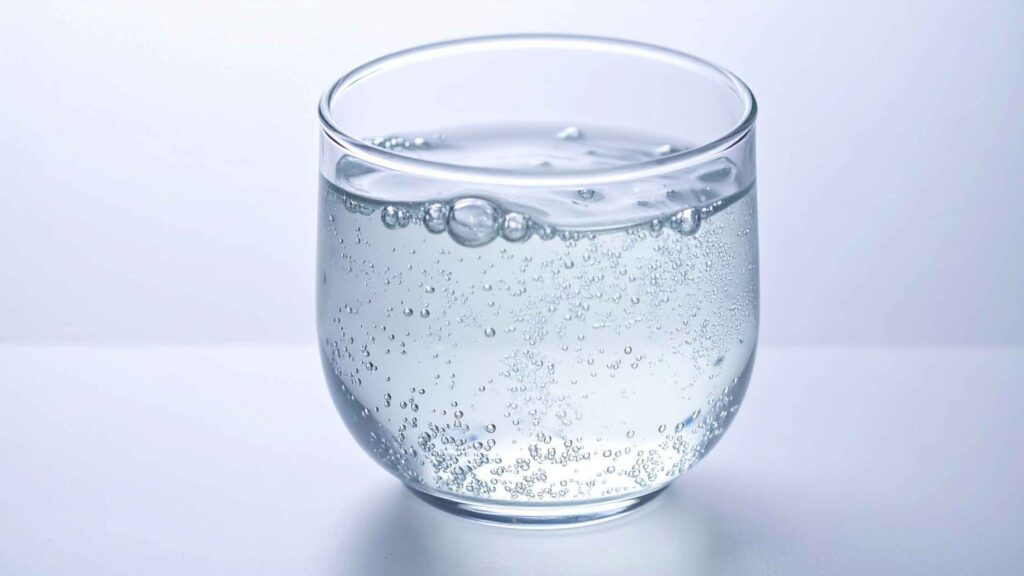
Sparkling water is essentially carbonated (that is, sparkling) water. This gas is what gives rise to all the bubbles and fizz that so many people love. And, some actually sparkling water drinks among the common ones are:
- Sparkling mineral water
- Soda water
- Carbonated spring water
- Flavoured sparkling water
The carbonation process changes the water’s chemistry slightly, but as a rule these drinks are harmless.
Why Is Sparkling Water Acidic?
Most likely, if you drink sparkling water, your first question is whether or not it’s bad for your teeth. What happens when carbon dioxide enters the water is that it will form a weak acid called carbonic acid. It reduces the pH of the drink, rendering it moderately acidic. Tooth enamel is susceptible to acidic substances, and regular sparkling water consumption raises concerns of tooth erosion. Nonetheless, the level of acidity in plain sparkling waters is still fairly low compared to several other drink alternatives.
How Acid Affects Tooth Enamel
Tooth enamel is the protective outer layer that covers all of your teeth.
Acidic beverages contact the teeth, gradually allowing the minerals in the outer surface of your enamel to dissolve. This can result in a condition called dental erosion. Enamel erosion, if neglected over time can lead to the following:
- Increased tooth sensitivity
- Yellowing teeth
- Higher risk of cavities
- Cracks or worn tooth surfaces
For people looking to reduce sugar intake, plain sparkling water can be a tooth-friendly alternative. Dental experts emphasize that flavoured versions may carry a higher risk due to added acids.
Is Sparkling Water Bad for Your Teeth Compared to Soft Drinks?
One of the biggest misconceptions is that sparkling water is just as harmful as soft drinks. In reality, there is a significant difference. Soft drinks and energy drinks typically contain stronger acids such as:
- Phosphoric acid
- Citric acid
- Malic acid
These acids have a much greater ability to erode enamel than the mild carbonic acid found in sparkling water. Research shows that plain sparkling mineral water has a relatively low erosive potential because it contains very little titratable acidity. This means it requires less neutralisation by saliva and is generally much safer for teeth. So when asking whether sparkling water is bad for your teeth, the answer is not the same as it would be for cola or energy drinks. Compared with sugary beverages, sparkling water is clearly the better option for both oral and overall health.
Does Sparkling Water Damage Teeth?
As a dentist in Cleveland, one of my most asked questions is, Do sparkling water teeth damage?
The answer to this really depends on the type of sparkling water and how frequently you drink it. Moderate consumption of plain sparkling water has little effect on enamel. The majority of studies suggest that a healthy lifestyle incorporating it is unlikely to contribute significantly to dental problems. But overindulging may further cause progressive enamel wear in the long run.
Factors that increase risk include:
- Drinking large amounts daily
- Constant sipping throughout the day
- Keeping the drink in your mouth for a few seconds before swallowing
- Poor oral hygiene habits
Although the question of whether sparkling water damages teeth is justifiable, it still poses a low risk compared to those drinks that are also acidic.
The Real Concern: Flavoured Sparkling Water
Simply put, not all sparkling water are the same. Talk more on flavours sparkling water and teeth. Most flavoured sparkling drinks have additional ingredients added such as:
- Citric acid
- Fruit flavouring acids
- Artificial sweeteners
- Natural flavour enhancers
Citric acid very much binds to calcium, that’s why it’s so bad; it attaches itself at the molecular level and makes enamel more difficult to remineralise. Thus, flavoured sparkling water and teeth may not be the perfect pair that many consumers believe it to be. Flavoured sparkling drinks can be almost as acidic as some sodas. Thus, the addition of acids to sparkling waters with flavours greatly increases the risk of dental erosion.
Sparkling Water and Teeth: What Research Says
Research on sparkling water and dental health typically concludes that plain carbonated water is safe to drink when consumed in moderation.
Researchers consistently find that:
- Its plain fizzy water has rather a lot less enamel eroding properties in comparison to soft drinks.
- Carbonic acid is significantly weaker than phosphoric and citric acids.
- Saliva, for instance, can often rapidly neutralize the mild acidity.
- Plain sparkling water typically has little abrasive effect on the enamel.
These results are comforting news for fans of bubbly beverages in the context of a well-balanced diet. Either way, moderation is still key as the enamel can only endure so much acid exposure over multiple cycles.
When Sparkling Water Can Contribute to Dental Erosion
When dose sparkling water impact your teeth? Plain sparkling water on its own is not harmful, but some specific habits may put you at risk of developing sparkling water dental erosion, such as:
- Constant sipping during the day makes your mouth acidic.
- Drinking before bed when saliva production is slowing.
- Allowing it to sit in your mouth before swallowing, exposing the teeth to more acid.
- Consuming excessive amounts regularly.
These habits can make sparkling water and teeth a bigger issue as time goes on.
Signs of Sparkling Water Tooth Enamel Damage
Some of the symptoms you will see if enamel erosion happens over time include:
- Heightened reaction to the consumption of hot or cool foods
- Teeth appearing more yellow
- Rounded or worn tooth edges
- Small cracks in teeth
- Increased risk of cavities
These symptoms can occur with all acidic foods and beverages, not just sparkling water. Frequent dental examinations prevent erosion of the enamel before it causes severe harm.
How to Drink Sparkling Water Safely
Properly Drinking Sparkling Water
But if you are worried about whether sparkling water bad for your teeth, a few changes in behavior will help keep enamel intact:
- Take with meals to help neutralise acids.
- Don’t sip all day to limit constant acid exposure.
- Drink plain sparkling water instead of flavoured.
- Then rinse with water, to wash away residual acid.
- Do not brush for 30 minutes later, as this is another common reason for enamel wear.
- Regular visits to the dentist for check up and preventive care.
Is Sparkling Water a Better Choice Than Soft Drinks?
Absolutely.
If your goal is to reduce sugar intake and protect your teeth, sparkling water is generally a much healthier choice than:
- Soft drinks
- Energy drinks
- Sports drinks
- Fruit juices
While people often ask whether sparkling water is bad for your teeth, the more useful comparison is how it performs against other popular beverages. In almost every case, plain sparkling water is significantly less harmful to tooth enamel.
The Bottom Line
So, Is sparkling water really bad for your teeth? Plain sparkling water, consumed in moderation, should not pose a significant risk to dental health for most people. It does contain a little carbonic acid, which is weakly erosive, but nowhere near as erosive as soft drinks, energy drinks and fruit juices. The larger alarm bells are for teeth and apple-flavoured sparkling water with its added citric acid and flavouring agents can increase enamel erosion risks.
By learning the relationship between sparkling water and your teeth, being mindful of how sparkling water affects tooth enamel health, and preventing sparkling water dental erosion you can enjoy bubbly drinks and still keep your smile intact. As long as you stick to plain sparkling water, limit how often you sip it, rinse with water afterwards and attend regular dental check-up appointments, there is no reason why you should have to stop drinking the fizz bubbles for many years to come. At Bluewater Dental, patient comfort and long-term oral health come first. Our experienced team provides comprehensive dental care, from routine check-ups and preventive treatments to cosmetic and restorative dentistry, helping patients achieve healthy, confident smiles.