
Do you wake up feeling tired even after a full night’s sleep? Has your partner noticed loud snoring or pauses in your breathing during the night? You may be suffering from Obstructive Sleep Apnoea (OSA), a common sleep disorder that can affect your health, energy levels, and quality of life.
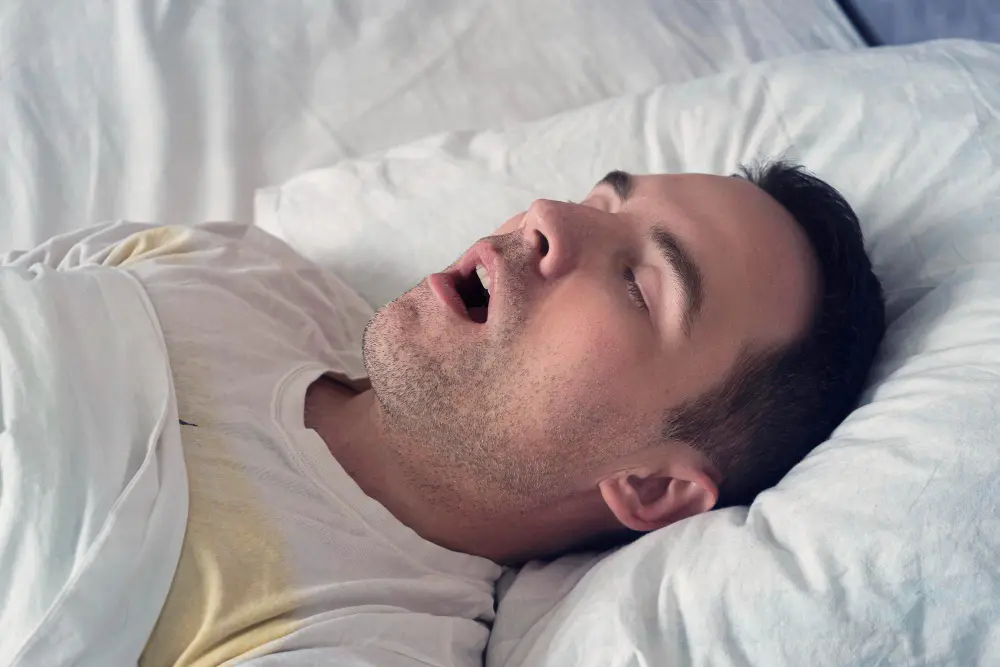
Obstructive Sleep Apnoea occurs when the airway becomes partially or fully blocked during sleep. This interruption in breathing can happen multiple times throughout the night and may prevent you from getting deep, restful sleep.
For patients with mild to moderate sleep apnoea, a custom-made oral appliance can provide a comfortable alternative to CPAP therapy. These appliances gently position the lower jaw forward to help keep the airway open while sleeping.
At Blue Water Dental, we use high-quality custom oral appliances designed specifically for your comfort and fit.
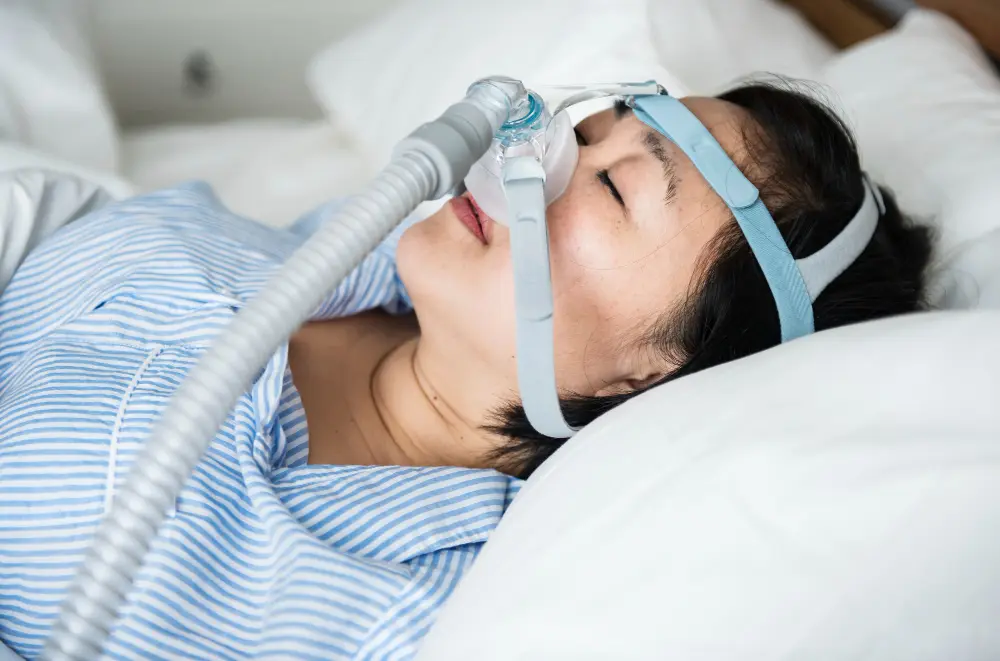
While CPAP therapy is effective for many patients, some people find the mask and airflow uncomfortable. Oral appliance therapy offers a simpler and more convenient solution for eligible patients.
Sleep apnoea is a sleep disorder where breathing repeatedly stops and starts during sleep due to blocked airways. The most common type is Obstructive Sleep Apnoea (OSA).
Common symptoms include loud snoring, choking or gasping during sleep, morning headaches, dry mouth, daytime tiredness, poor concentration, and restless sleep.
Yes. Dentists can provide custom oral appliances designed to help keep the airway open during sleep. These devices are commonly used for mild to moderate sleep apnoea and snoring.
An oral appliance is a custom-made mouthguard worn during sleep. It gently repositions the jaw to improve airflow and reduce airway blockage.
Most patients find oral appliances comfortable and easy to wear. They are custom-fitted to your teeth for better comfort and effectiveness.
Both treatments can be effective depending on the severity of sleep apnoea. Some patients prefer oral appliances because they are smaller, quieter, and easier to travel with than CPAP machines.
Yes. A proper diagnosis from a sleep physician or sleep study is usually recommended before beginning sleep apnoea treatment.
Contact us today to schedule your appointment. The sooner, the better – especially when it comes to dental emergencies.