Safe, effective whitening at Bluewater Dental. Remove years of stains from coffee, tea, wine, and tobacco. Get results in just one visit or with take-home kits.
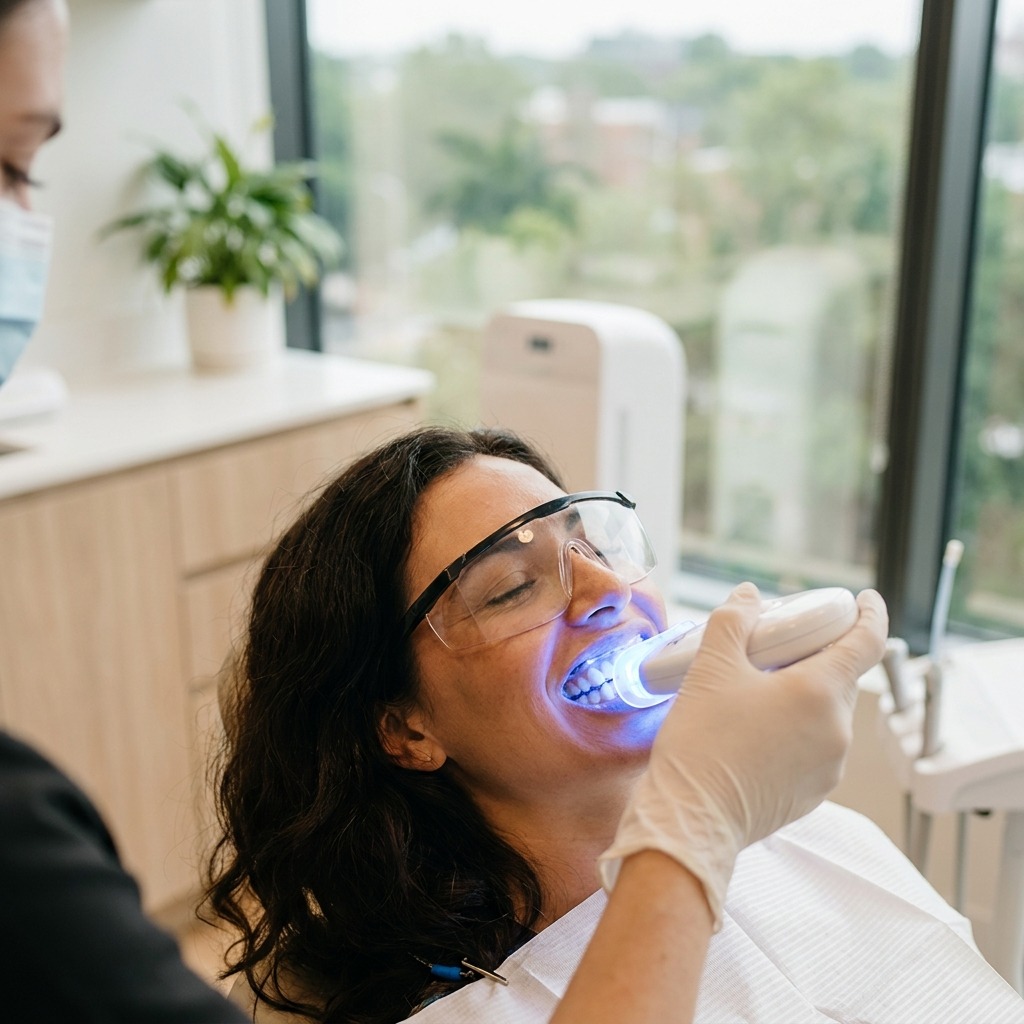
Our in-office SDI Pola Office whitening lightens teeth up to 8 shades in 60 minutes. Take-home kits use custom trays and professional gel for gradual results over 1-2 weeks. In-office treatment includes a protective barrier for gums and a high-intensity light to activate the gel. Take-home kits are ideal for patients who prefer to whiten at their own pace and touch up later.
Whitening works best on yellow stains. It may not affect greyish teeth or restorations like crowns and fillings. A dental exam ensures no underlying issues like decay or exposed roots. We also check for gum recession, which can cause sensitivity during whitening. Pregnant or nursing women are generally advised to wait, though research is limited.
Avoid staining foods and drinks for 48 hours. Use a straw, brush twice daily, and touch up with our take-home gel to maintain brightness. We also recommend using a fluoride toothpaste to reduce temporary sensitivity. Avoid smoking for at least 72 hours after treatment, as nicotine can quickly re-stain freshly whitened enamel.
Yes, when performed by a dentist. We protect your gums and use controlled concentrations. Over-the-counter products can cause sensitivity or damage.
Results last 6 months to 3 years, depending on diet and habits. Touch-ups can extend the effects.
Temporary sensitivity is common but subsides within days. We offer desensitising gel and recommend fluoride toothpaste.
No, whitening only affects natural teeth. Restorations may need replacement to match your new shade.
In Office Teeth whitening is $800 and Take Home teeth whitening kits are for $400.
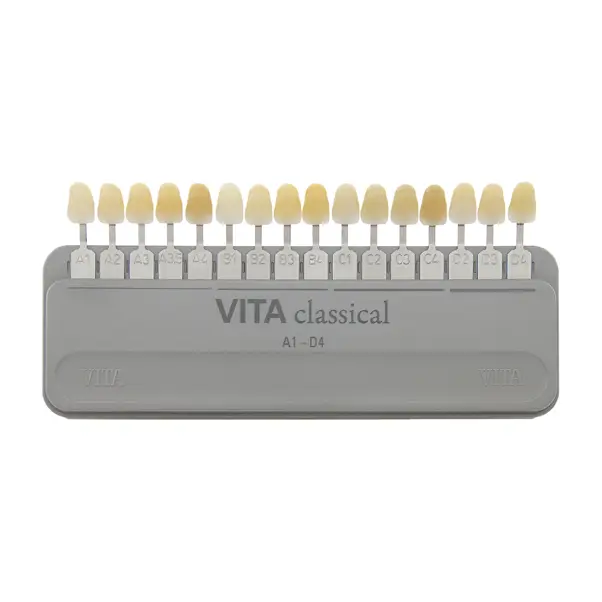
Results vary, but most patients achieve a noticeably brighter smile. We show you the expected shade before starting.
We recommend waiting until after pregnancy or nursing, as effects of whitening agents haven’t been studied thoroughly.
Contact us today to schedule your appointment. The sooner, the better – especially when it comes to dental emergencies.