

Breaking a front tooth can be distressing, especially since these are the teeth that show whenever you smile, make conversation, or greet others. Be it during sports, an accident or while biting down on something hard, there are a variety of treatment options to at least keep the situation from feeling completely hopeless. Fortunately, many fractured front teeth can now be restored or replaced in such a manner that they appear naturally pleasing thanks to the advanced dental techniques of today.
With an upper front tooth fracture, the main concern is always to decide if a natural tooth can be saved. The treatment will depend on the severity of the injury, the location of the fracture, whether any root is damaged, and if the surrounding bone and gums are healthy. Our dental experts at Blue Water Dental, thoroughly analyze each case, and using state-of-the-art diagnostic tools, suggest the most effective solution. This informational guide will outline the treatment options for replacing a fractured tooth in your upper front teeth; Implants, bridges and removable solutions.
Can a Fractured Upper Front Tooth Be Saved?
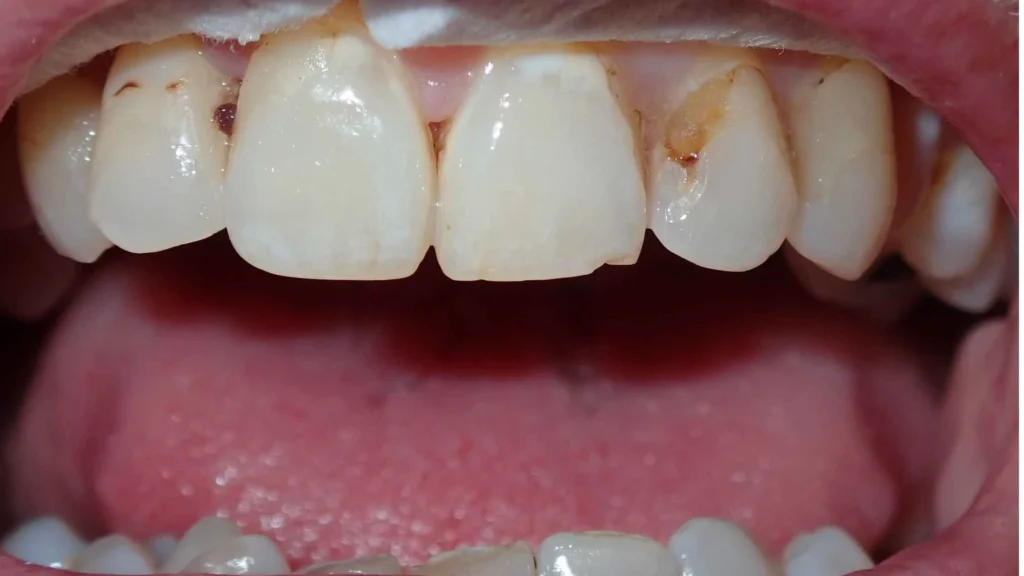
Whenever possible, conserving the tooth is always the best solution. As a result, the fate of a broken upper front tooth can largely depend on how much healthy tooth substance remains.
Cracked, broken or fractured teeth cannot fuse back together as bones do. When a tooth breaks a relatively large way, the injured components do not typically recover on their own. The place where the fracture occurs is a big factor: Crown-root fracture: Maybe worth preserving if stable. Higher root fracture: If the fracture is closer to the tooth crown, then it could be unable to maintain its position on the tooth. If the crown is badly displaced or if the fracture line extends through the center of the root, it may not be possible to salvage any part of a tooth. The next step is to select the most optimal substitution choice.
Options for Replacing a Fractured Upper Front Tooth
1. Dental Implant for Front Tooth Replacement
A dental implant for front tooth replacement is often considered the most advanced and long-lasting solution for replacing a missing upper front tooth. However, planning is extremely important. If an implant is being considered, preserving the existing root area may sometimes help achieve better results.
Before implant placement, your dentist may recommend a cone beam scan to evaluate:
- Amount of available bone
- Exact fracture location
- Root condition
- Gum and tissue support
The root area can provide valuable information that helps improve implant planning and long-term success. A front tooth implant is not only about replacing the tooth, it is also about recreating natural-looking gums and aesthetics. Since front teeth are highly visible, additional procedures may sometimes be required, such as:
- Bone grafting
- Gum grafting
- Soft tissue enhancement
- Temporary crowns during healing
The approximate cost of implant treatment can vary depending on complexity. In many cases, including grafting procedures, the total investment may range around $6,000–$7,000 or more. During the implant healing period, a temporary tooth replacement option, such as a bonded temporary bridge, may be provided so that you can maintain your smile while the implant integrates.
2. Maryland Bridge for Front Tooth Replacement
Clear: A Maryland bridge is an ideal option for the replacement of front teeth, especially if an implant is not appropriate or the patient does not want implant therapy as a solution.
A maryland bridge involves a replacement tooth connected with an abutment, similar to a supporting wing. This wing is attached to the back face of the adjacent tooth, forming a solid prosthesis in lieu of the full grown-up crown.
Benefits of maryland bridge:
- Minimally invasive procedure
- Preserves neighbouring teeth
- Provides a natural appearance
- Great for many anterior cases
But whether a maryland bridge works or not depends on:
- Bite pattern
- Tooth position
- Amount of chewing pressure
After examining the fractured root, it is usually advisable to extract it before placing a Maryland bridge.
3. Removable Denture Option
Scalars are also a removable denture, which you can use as broken front tooth fracture replacement when you do not plan implant treatment. After a gap is created by the missing tooth, it can be replaced with a partial denture, which returns basic appearance and function.
Advantages:
- More affordable option
- Faster treatment process
- Non-surgical solution
Removable choices need to be cared for as well and not always provide the support mechanism stability of a natural-feeling implant-supported tooth.
What Happens to the Root After a Fractured Tooth?
Often, the first question after a fractured upper front tooth is whether to remove the root right away or leave it in. Whether that is ready to be in the rotation next season before deciding to do so.
If Planning an Implant:
Consideration must be given to the root as it may alter implant planning. A CBCT scan can help identify whether or not the potential preservation of various anatomic structures may ceteris paribus benefit the final outcome.
When Implant Is Not Planned At The Same Time:
The root may occasionally be solely left in or treated by way of a root canal activity. But the risk with leaving behind a broken root is that it can become infected at a later stage. If infection occurs, it might need to be removed. Extraction of the root is usually required if the end plan is a Maryland bridge or denture.
Importance of Bone Preservation After Extraction
After the removal of a fractured tooth root, the surrounding bone can naturally resorb. This may impact how the replacement tooth looks and feels. This is why sometimes your dentist may suggest doing a socket preservation or bone grafting following the extraction.
Bone grafting can help:
- Maintain jawbone volume
- Support future implant placement
- Improve gum appearance
- Enables better backing for substitute teeth
It is critical for the gum shape to be maintained at the front teeth as even the best made tooth may look unnatural if adjacent, surrounding gums have collapsed.
Expert Care for a Natural-Looking Smile
Whether your fractured front tooth can be saved or requires replacement, early assessment is key to achieving the best outcome. The team at Bluewater Dental combines advanced diagnostics with personalised care to create treatment plans tailored to your goals. Book your appointment today and take the first step toward restoring your smile.
Frequently Asked Questions
Does a chipped upper front tooth ever heal on its own?
No. But teeth might actually be different as they do not fuse back together after a serious fracture, like bones. Location and severity of damage is the determinant for treatment.
Is a dental implant ideal for replacing a broken upper anterior tooth?
The dental implant is one of the most robust solutions for patients looking for a long-term replacement, as well. Yet a proper evaluation is warranted prior to treatment.
How long does front tooth restoration take?
This is the timeline that you can expect depending on the treatment option. It depends on the type of procedure, implants often take months due to healing time, while bridges and dentures can typically be done more quickly.
How natural will my new tooth look?
Yes. Modern dentistry aims to reproduce the tooth color, shape, and gum appearance to give a natural- looking outcome.