

Have you noticed blood in your mouth when brushing and thought it was because you brushed too hard? But you sometimes experience tenderness or some redness around your gums, and tell yourself it is nothing serious. While people disregard these minor changes taking place, assuming they will go away by themselves. But unfortunately, when these are often the very early symptoms of gum disease, ignoring them can allow a small problem to become a much larger one.
Gum disease is often undetected because early gum disease doesn’t usually cause much pain. Oral diseases are one of the top five most common health problems in the world, according to the WHO. According to the World Health Organization (WHO) Oral Health Fact Sheet, oral diseases affect approximately 3.5 billion people worldwide, making them among the most common noncommunicable diseases. The WHO also notes that most oral health conditions, including periodontal (gum) disease, are largely preventable and can be effectively treated when detected early.
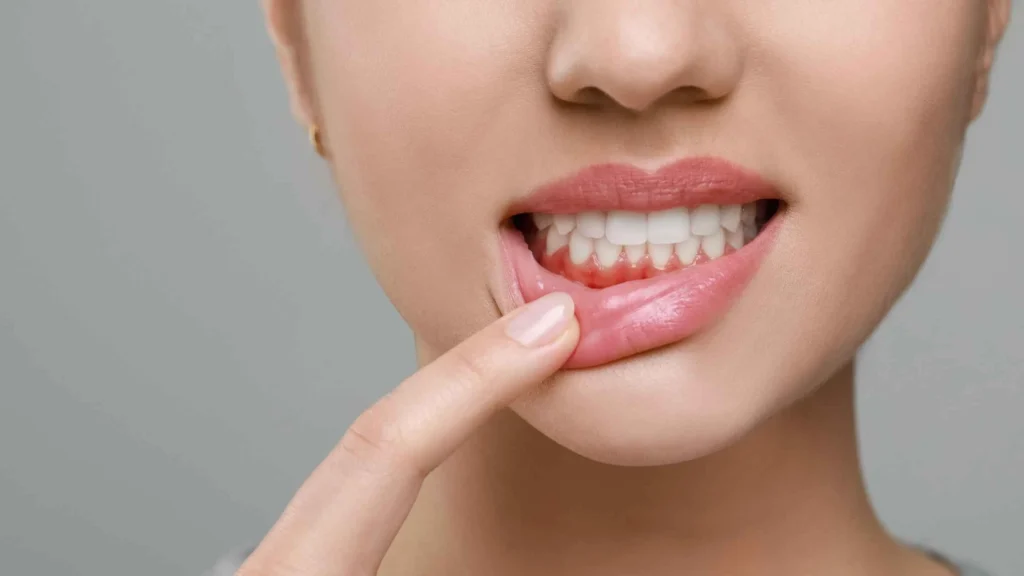
How Your Gums Are Trying To Tell You | Early Signs Of Gum Disease
Gums that are not healthy will be loose, red, and bleed during brushing or flossing. Signs of gum disease in general include:
- Gums that bleed while brushing or flossing
- Inflammation of the gums or red spots around the teeth
- Persistent bad breath
- Gum tenderness or discomfort
- Gum recession
- Teeth feeling slightly loose
- Increased tooth sensitivity
These are likely symptoms that develop in the early stage of gum disease, called gingivitis. They are mostly painless, but many people do not bother visiting a dentist until the condition has progressed.
Understanding How Gum Disease Progresses
| Healthy Gums | Gingivitis | Periodontitis |
| Pink and firm | Red, inflamed gums | Infection spreads below gums |
| No bleeding | Bleeding while brushing | Bone loss begins |
| No discomfort | Mild tenderness | Loose teeth may develop |
| Fresh breath | Persistent bad breath | Risk of tooth loss |
Never Ignore Bleeding Gums
Bleeding gums are the most common symptom of gum disease. It is wrong to think that bleeding only occurs because of brushing too hard; healthy gums usually do not bleed while brushing or flossing normally. The reason bleeding occurs is that plaque bacteria stimulate the gums and produce an inflammatory response. When plaque remains on the gumline, inflammation becomes more severe, which can destroy the tissues that support your teeth.
Watch for these warning signs:
- Bleeding in the sink when brushing
- Blood on dental floss
- Bleeding gums when eating hard foods
- Bleeding persistently occurring over several days
The sooner these symptoms are assessed by a dentist, the easier they will be treated.
Swollen Gums Are More than an Inconvenience
Swollen gums- This is yet another early sign of gum disease. Healthy gums hug tight around every tooth – when inflammation hits, they swell and become soft and sensitive.
You may notice:
- Puffy gum margins
- Bright red color instead of light pink
- Tenderness when brushing
- Sensitivity while chewing
- They feel “larger” than usual
Oral hygiene changes are characteristic signs of gingivitis, meaning that bacteria have started damaging the gums already.
Pay attention if you experience:
- Bad Breath that Doesn’t Go Away After Brushing
- Gum recession causing teeth to appear longer
- Sensitivity to cold food or drink
- Pain while chewing
- A persistent bad taste in your mouth
- Slight movement of teeth
These common signs of gum disease are frequently a signal that bacteria are moving further below the gum line. So, even if these symptoms look minor, getting an appointment with a dentist at an early stage could do away with further complicated treatment.
Who Has the Greatest Risk for Gum Disease?
While anyone may develop gum disease, several factors highly predispose it. Become aware of these risk factors in order to identify the early symptoms faster and seek timely treatment.
You are more likely to be at risk if you:
- Smoke or use tobacco products
- Have diabetes or poorly controlled blood sugar
- Brush or floss inconsistently
- Have a family history of gum disease.
Hormonal Changes During Pregnancy or Menopause
- Take medicines that cause dry mouth
- Have a weakened immune system
- Visit the dentist irregularly
Individuals at risk must especially seek regular dental check-ups because the symptoms of gingivitis can arise with little to no pain. According to the Cleveland Clinic, hormonal changes during menopause can affect oral health by reducing saliva production, leading to dry mouth. Lower saliva levels may increase plaque buildup, bad breath, and the risk of periodontal (gum) disease, making regular dental check-ups and good oral hygiene even more important during this stage of life.
Stopping Gum Disease Before It Starts
The good news is that learning how to prevent gum disease doesn’t require a complicated routine. Recognising the early signs of gum disease and adopting a few healthy daily habits can go a long way in protecting your smile and preventing more serious dental problems.
Follow these healthy habits:
- Brush twice daily with fluoride toothpaste.
- Floss every day to remove plaque between your teeth.
- Replace your toothbrush every three months.
- Eat a balanced diet rich in calcium and vitamin C.
Professional cleanings remove hardened plaque (tartar) that brushing alone cannot eliminate. Combined with recognising the early signs of gum disease, routine dental visits are among the most effective ways to keep your gums healthy for years to come and reduce the risk of advanced periodontal disease.
Healthy Gums vs. Early Gum Disease
Healthy gums are naturally pink, firm, and free from bleeding or discomfort. However, the early signs of gum disease can be subtle, often beginning with redness, swollen gums, bleeding while brushing, persistent bad breath, or mild gum recession. Advanced gum disease has also been associated with:
- Heart disease
- Type 2 diabetes
- Respiratory infections
- Pregnancy complications
- Chronic inflammation
Gum disease does not cause these conditions, but chronic inflammation in the mouth may lead to overall health that is more likely to decline. Having healthy gums is part of well-being.
More Patients Will Protect Their Smile Before Small Problems Become Big Ones
The initial signs of gum disease may not feel like a big deal today, but last-minute treatment can potentially result in gum recession (meaning teeth will move over time), the loss of bone, and, ultimately, tooth loss. The earlier a condition is detected, the more streamlined the treatment is.
What is our solution at Bluewater Dental, where we have great experienced staff, who prioritise preventive dentistry as well as comprehensive gum assessments, cleans, and management plans tailor-made for keeping your gums healthy for life. Contact us today to experience compassionate dental care that protects your smile. Don’t ignore the early signs of gum disease. Get in touch and let our experienced team provide personalised care to keep your gums healthy and your smile strong.
Frequently Asked Questions
What is the earliest sign of periodontal disease?
Bleeding gums like a cough with a sore throat are the first sign of gum disease. Often times the symptoms come before pain develops meaning that early identification and treatment of these conditions can only be accomplished through routine dental examinations.
Can gingivitis be reversed?
Yes. Sometimes, gingivitis is considered the starting point for gum disease and can typically be reversed through a dental cleaning or by improving your brushing and flossing habits as well as how often you visit the dentist. Gingivitis is also reversible, and treating the symptoms in their earliest stages can prevent a progression to periodontitis.
Question: Why do my gums bleed when I brush?
Gums may be slightly irritated on occasion, but persistent bleeding gums may signify plaque build-up and gum swelling. Visit a dentist for a diagnosis if bleeding persists beyond a day, as it can lead to continued gum injury.
Question: How do I stop gum disease naturally?
To learn the best way to prevent gum disease, practice good oral hygiene by brushing twice daily and flossing each day, eat a healthy diet, do not use tobacco products, and see your dentist regularly for professional cleanings.
At first, is gum disease painful?
Not usually. Gum disease has been referred to as the silent killer of teeth, and many people with early signs have it without pain. Gum disease typically starts as mild redness, swollen gums, bleeding when you brush or floss and/or constant bad breath – which is why routine dental examinations are necessary.